Drone and UAS Insurance for commercial operators and enterprise fleets

Build a flight plan that includes insurance
Protecting your UAV operations
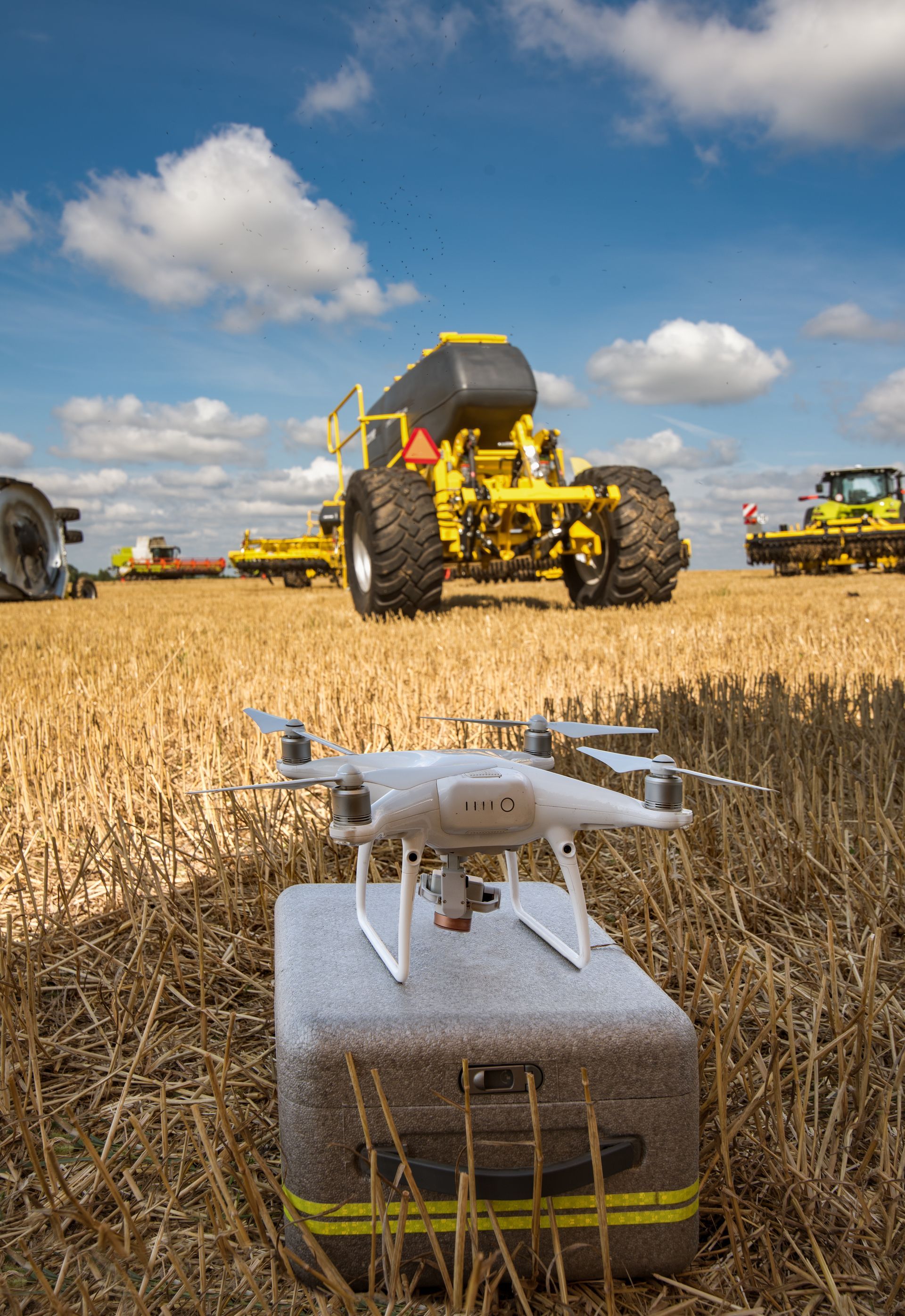
Drone insurance covers third-party liability if your UAS injures someone or damages property and can include hull coverage for the aircraft, its payload such as cameras or spraying equipment, ground equipment and spare parts. Whether you utilize drones for filming sporting events, in construction, or for agricultural services, most customers are going to require proof of coverage. JCL Aviation Services places policies that keep you compliant and ready to fly.
What a UAS policy can include
Liability, hull, payload, and privacy options
Liability limits are selected based on numerous factors such as size/weight of drone, amount of use, type of work being performed. Hull coverage addresses repair or replacement of drones, their payload, and ground equipment after crashes or theft. Policies can also be written to address personal & advertising injury claims surrounding privacy issues.
Who needs drone insurance
Part 107 operators, public entities, and enterprise program
Real estate media firms, surveyors, and construction teams benefit from dedicated limits and easy certificates. Public agencies and universities need policies that cover training areas, demonstrations, and multi-pilot operations. Enterprise programs with multiple airframes require contract-ready endorsements to meet customer contracts.
How JCL Aviation Services helps
Right limits for missions and venues
We match limits to your mission profiles, from filming sporting events to emergency response. JCL Aviation Services clarifies insurance requirements such as additional insured wording and waiver terms commonly requested by invested 3rd parties. Our team coordinates renewals and rush certificates so you can focus on flight planning, not paperwork.
Questions UAS operators ask
Practical guidance for commercial drone teams
Is drone insurance required by law?
Federal rules do not mandate insurance, but most customers do. It is a practical requirement for commercial work. Coverage also protects you from defense costs that can exceed equipment value.
What limits should I choose?
New operators may start at a low limit of liability such as $1M when operations are limited and risk is low. As operations & exposures grow, limits are adjusted accordingly. Contracts often contribute to limit selections.
Can one policy cover multiple drones and pilots?
Yes, there are a number of options to insure a fleet of drones and their certificated pilots whether you require hull & liability coverage or liability only coverage. A single policy streamlines coverage and reduces adminitrative burdens.
Does hull coverage include payloads like LiDAR systems?
Drone policies can provide coverage for payloads such as drysprayers, cameras, or other essential equipment, but this equipment usually needs to be scheduled on an agreed value basis. Agreed values speed claims and reduce disputes.
Do on-demand policies make sense?
Short-term options exist, but annual policies are more comprehensive for businesses that fly regularly. Annual coverage avoids gaps in coverage and simplifies certificate issuance and other administrative tasks.